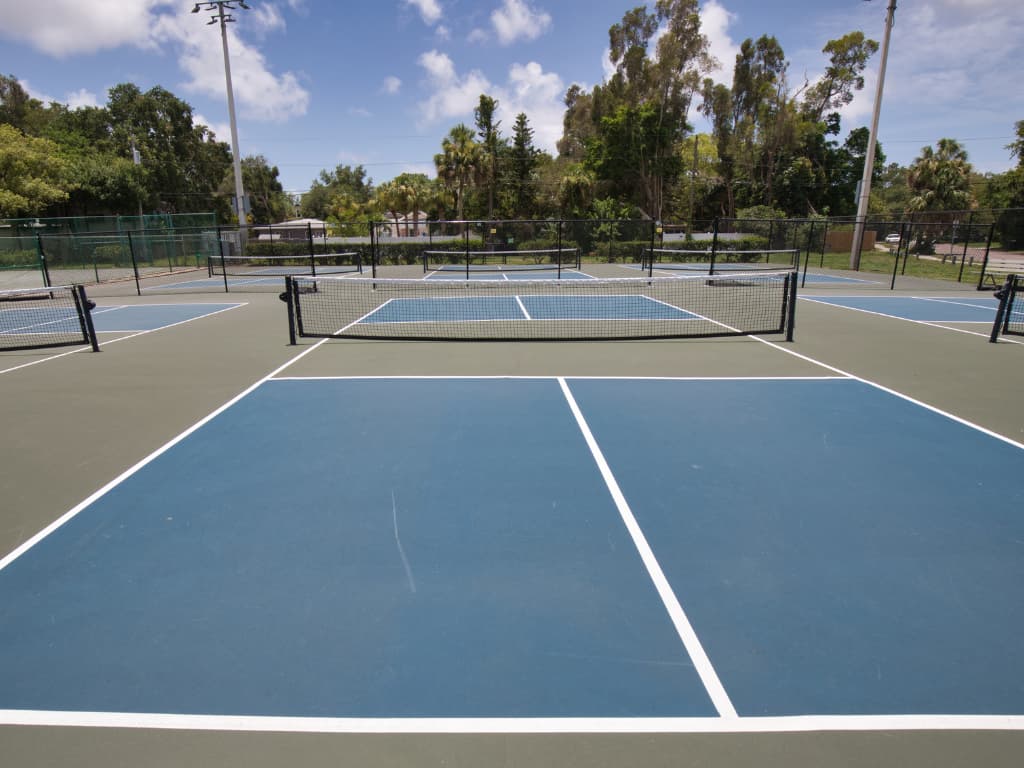
6 Reasons Pickleball Courts Are Growing in Popularity
Pickleball has rapidly emerged as one of the fastest-growing sports in the UK, attracting players of all ages and abilities. Combining elements of tennis, badminton, and table tennis, the game is accessible, sociable, and well suited to a wide range of settings. As awareness increases, demand for professionally constructed pickleball courts continues to rise.
Below are six key reasons why pickleball courts are becoming an increasingly popular addition to schools, leisure facilities, private developments, and community spaces across the UK.
1. Easy to Learn and Inclusive for All Ages
One of pickleball’s strongest appeals is its accessibility. The rules are straightforward, the court is compact, and the pace of play is manageable for beginners while still engaging for experienced players.
This inclusivity makes pickleball attractive to families, older players, and those returning to sport, supporting broad participation without steep learning barriers.
2. Efficient Use of Space
Pickleball courts require significantly less space than traditional tennis courts. This makes them ideal for locations where land availability is limited or where multi-use sports areas are preferred.
Many facilities are choosing pickleball because it allows them to maximise participation within existing spaces, including conversions of underused courts.
3. Strong Social and Community Appeal
Pickleball is known for its social nature. Doubles play is common, and the smaller court size encourages interaction and community engagement.
As a result, pickleball courts often become focal points for social sport, helping facilities foster regular participation and a welcoming atmosphere.
4. Suitable for a Wide Range of Settings
Pickleball courts can be installed in various environments, including schools, leisure centres, residential developments, and private sports facilities.
Their adaptability allows organisations to introduce a modern sport offering that appeals to diverse user groups while complementing existing sports infrastructure.
5. Low Physical Impact with High Engagement
The sport is less physically demanding than some traditional racket sports, reducing strain while still providing excellent cardiovascular and coordination benefits.
This balance makes pickleball particularly appealing to players seeking an active sport that is enjoyable without being overly strenuous.
6. Growing Recognition and Long-Term Demand
As pickleball continues to gain recognition across the UK, interest from clubs, councils, and private operators is increasing. Facilities that invest in pickleball courts are responding to current demand while also preparing for long-term participation growth.
Professional court construction ensures the surface, layout, and line markings meet expected standards, supporting safe and enjoyable play over time.
Professional Pickleball Court Construction in the UK
The quality of a pickleball court plays a key role in player experience, safety, and long-term durability. Proper base preparation, surface selection, and accurate line marking are essential.
The Pickleball Construction Company provides professional pickleball court construction services across the UK. Each project is designed to deliver high-performance playing surfaces that support consistent play and long-term use.
Conclusion
Pickleball courts are growing in popularity because they offer inclusivity, efficient use of space, strong social engagement, and long-term relevance within modern sports facilities. Their adaptability and broad appeal make them an excellent addition to a wide range of settings.
For organisations and property owners across the UK, investing in professionally constructed pickleball courts supports participation, community engagement, and future-ready sports provision. With expert design and construction, pickleball courts continue to prove themselves as a valuable and enduring sporting asset.
Call us on: 0203 840 3492
Click here to find out more about The Pickleball Construction Company
Click here to complete our contact form and see how we can help with your Court needs.