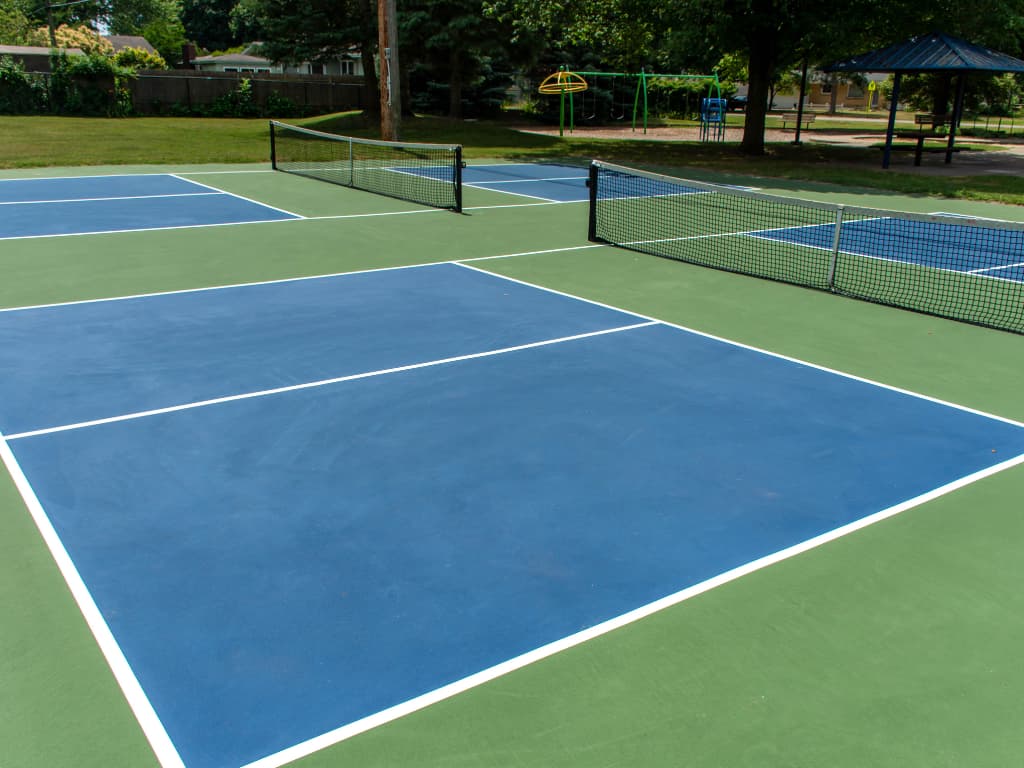
What Maintenance Should You Plan for After Pickleball Court Construction?
A professionally constructed pickleball court is designed to provide consistent ball response, reliable grip and comfortable movement. However, even a high-quality court needs planned maintenance to preserve these playing characteristics.
Rain, organic debris, regular use and changing temperatures can gradually affect the surface, drainage and court equipment. Establishing a straightforward maintenance routine after construction helps identify minor issues early and keeps the court ready for use throughout the year.
Essential Maintenance for a Newly Constructed Pickleball Court
The precise requirements will depend on the surface system, surrounding environment and level of use. Your construction contractor should provide guidance tailored to the finished court, including any initial care needed while the surface settles or cures.
Keep the Playing Surface Clean
Leaves, soil, grit and other debris should be removed regularly. If left on the court, these materials can retain moisture, encourage organic growth and affect traction underfoot.
A soft brush or suitable blower can usually remove loose debris without damaging the finish. Abrasive tools and unsuitable cleaning products should be avoided, as they may mark the surface or reduce its texture.
Remove Spillages Promptly
Food, drinks and other substances can leave stains or create slippery patches. Spillages should be addressed promptly using a cleaning method suitable for the court surface.
Strong chemicals and aggressive pressure washing can affect coatings, line markings and joints. Where ordinary cleaning does not resolve the problem, advice should be obtained before using more intensive methods.
Monitor Moss and Algae Growth
Shaded areas and sections that remain damp may develop moss or algae. Besides making the court look neglected, this growth can reduce grip and interfere with drainage.
Regular cleaning and the removal of surrounding organic debris help limit the problem. Persistent growth may indicate that a particular section is not drying properly and should be investigated rather than repeatedly cleaned without identifying the cause.
Keep Drainage Routes Clear
Effective drainage protects both the playing surface and the layers beneath it. Channels, outlets and surrounding edges should be kept clear of leaves, soil and vegetation so rainwater can leave the court as intended.
Pools of water that remain after nearby areas have dried may point to blocked drainage, local settlement or a change in surface levels. Early assessment can prevent standing water from contributing to surface deterioration.
Check for Cracks and Surface Movement
Small cracks should not be ignored simply because the court remains usable. Water can enter through an opening and affect the supporting construction beneath, allowing the defect to widen over time.
Regularly inspect the court for:
- Fine or widening cracks
- Depressions and raised areas
- Loose surface material
- Changes around joints
- Soft or unstable sections
- Water collecting in new places
A professional inspection can determine whether the issue is limited to the surface or connected to movement in the base.
Inspect Court Markings
Clear, accurate lines are essential for pickleball play. Repeated use, weather exposure and unsuitable cleaning methods can gradually wear or discolour the markings.
Inspect the lines for fading, peeling and loss of definition. When renewal becomes necessary, the new marking material must be compatible with the existing court system so that it bonds correctly and retains suitable slip resistance.
Maintain Nets, Posts and Fixings
Net tension influences play, while secure posts help keep the court equipment stable. Nets should be checked for sagging, fraying and weather-related deterioration. Posts, sockets and winding mechanisms should also be inspected for movement or damage.
Where equipment can be removed, storing it appropriately during long periods of non-use may reduce unnecessary weather exposure. Any covers used should be dry and correctly fitted to prevent trapped moisture.
Check Perimeter Fencing and Access Points
Fencing contains balls and helps protect the playing area, but loose mesh or unstable posts can affect safety and usability. Gates should open and close properly without dragging across the court or obstructing access.
Vegetation should also be kept away from the enclosure. Overhanging growth can deposit leaves and moisture onto the surface, while roots and dense planting near the court may interfere with edges or drainage.
Manage Footwear and Court Use
Suitable non-marking sports footwear helps protect the surface and provides appropriate grip. Heavy equipment, sharp objects and unauthorised vehicles should be kept off the court because concentrated loads can damage the finish or supporting layers.
Placing guidance near the entrance can encourage players to remove mud and avoid bringing unsuitable items onto the playing area.
Arrange Periodic Professional Inspections
Routine visual checks are useful, but a professional inspection can identify less obvious deterioration. The surface, line markings, drainage, perimeter details and equipment can be assessed together to determine whether maintenance or repairs are needed.
The appropriate inspection frequency will depend on usage, exposure and the type of construction. Busy courts may require closer monitoring than facilities used occasionally.
Plan for Future Surface Renewal
All external sports surfaces gradually wear. Loss of colour, reduced texture, fading lines and widespread minor defects may eventually indicate that deeper cleaning, recoating or resurfacing is required.
Planning ahead allows the work to be completed before the surface becomes significantly deteriorated. Timely renewal can restore appearance and playing performance while protecting the underlying court construction.
Conclusion
Effective pickleball court maintenance centres on regular cleaning, clear drainage, early crack repairs and routine checks of the markings, equipment and perimeter fencing. A planned approach helps prevent minor defects from developing into wider surface problems and supports consistent play.
The Pickleball Construction Company provides professional pickleball court construction and maintenance guidance throughout the UK. If you are planning a new court or need advice about caring for an existing facility, contact the team to discuss the most suitable approach.
Call us on: 0203 840 3492
Click here to find out more about The Pickleball Construction Company
Click here to complete our contact form and see how we can help with your court needs.