What Maintenance Will a New Pickleball Court Require?
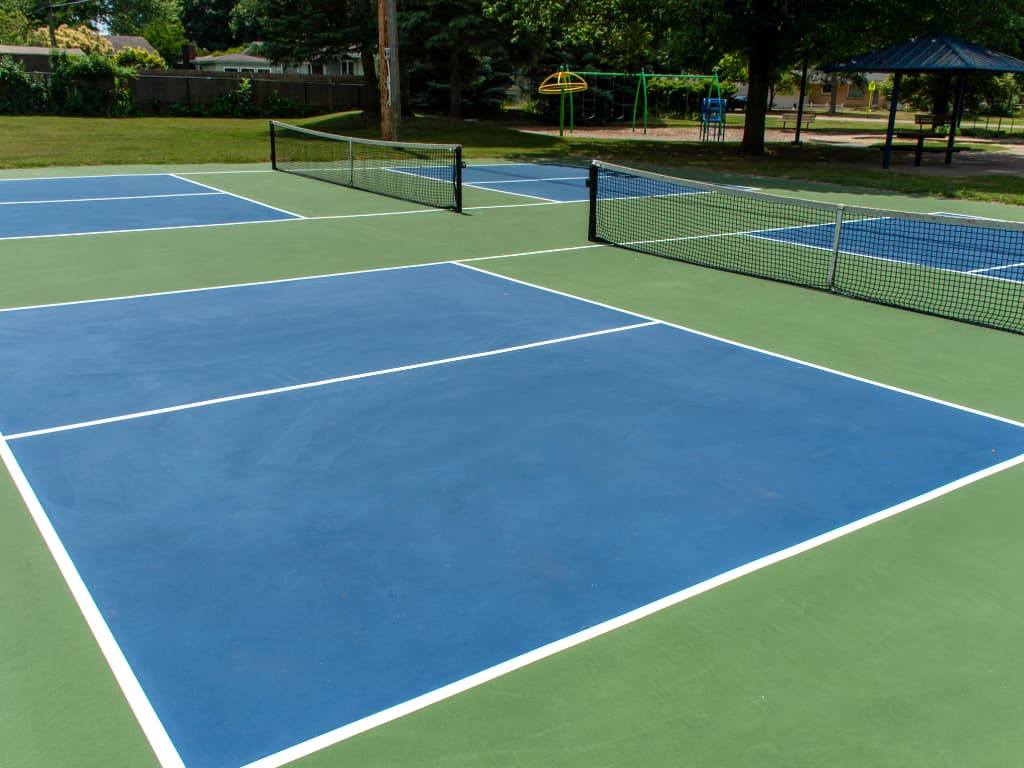
A professionally constructed pickleball court should provide a consistent playing surface, clear markings and reliable drainage. However, even a new court needs routine maintenance to preserve these qualities and prevent minor issues from becoming more difficult to resolve.
The exact requirements will depend on the surface system, level of use, surrounding environment and exposure to the UK weather. A sensible maintenance plan should cover regular cleaning, drainage, surface inspections and the court’s equipment.
How to Maintain a New Pickleball Court
Good maintenance begins as soon as construction is complete. Following the installer’s initial guidance and establishing a simple inspection routine can help the court remain attractive, playable and easier to manage.
Follow the Initial Aftercare Instructions
A newly installed surface may require time to cure or settle before play begins. The necessary period will depend on the materials and coating system used.
During this stage, avoid placing equipment, vehicles or unnecessary loads on the court. Premature use may mark the finish or interfere with the development of the surface. The installer should confirm when the court can be used and whether any additional precautions are needed.
Remove Leaves and Loose Debris Regularly
Leaves, twigs, soil and other debris should not be allowed to accumulate. Organic matter can retain moisture, create slippery areas and encourage staining or unwanted growth.
Use a soft broom, leaf blower or another method appropriate for the surface. Pay particular attention to corners, fence lines and areas around net posts, where windblown material often gathers.
The frequency of cleaning will depend on the court’s surroundings. A court near trees or planting may require more regular attention during periods of leaf fall.
Keep Drainage Routes Clear
Effective drainage is essential for maintaining a usable outdoor pickleball court. Water should be able to leave the playing area without being obstructed by leaves, silt or other debris.
Regularly inspect:
- Drainage channels
- Surface outlets
- The perimeter of the court
- Low points where water may collect
- Areas beside kerbs or edgings
- The ground surrounding the court
Standing water should not simply be brushed aside and ignored if it repeatedly appears in the same place. Persistent pooling may indicate a blocked outlet, altered level or another issue that needs professional assessment.
Clean the Surface Carefully
General dirt and light contamination can often be removed with gentle cleaning. Harsh tools, unsuitable chemicals and aggressive pressure washing may damage coatings, disturb textured finishes or weaken line markings.
Cleaning methods should be suitable for the particular court surface. Where washing is required, water should be directed towards the intended drainage points without forcing debris into outlets.
Any unfamiliar stain should be assessed before a strong cleaning product is applied. A small cleaning issue can become more noticeable if an unsuitable treatment affects the surrounding colour or texture.
Address Moss and Algae Early
Shaded or persistently damp sections can encourage moss and algae. These growths may make the court slippery and reduce the consistency of the playing surface.
Early signs should be treated using a method compatible with the court materials. Simply scraping the growth away may leave residue behind or damage the finish. Improving airflow, removing surrounding debris and keeping drainage clear can also reduce the conditions that support regrowth.
Inspect for Cracks and Surface Movement
Small cracks should be investigated before water and repeated play widen them. Their cause may lie within the surface coating, supporting layers or ground beneath the court.
Look for:
- Fine cracks in or around the playing area
- Separation near edges or joints
- Sunken or raised sections
- Loose surface material
- Changes around drainage points
- Damage near net post sockets
- Areas that sound or feel different underfoot
Marking the position and length of a crack can help establish whether it is changing. Professional inspection is advisable where movement continues or several defects appear together.
Protect the Court from Contamination
Mud, grit, oils and unsuitable footwear can mark the court or reduce surface grip. Simple measures can limit the amount of contamination reaching the playing area.
Useful steps include:
- Providing mats near access gates
- Encouraging clean sports footwear
- Keeping nearby paths clear
- Preventing soil from washing onto the court
- Cleaning spills promptly
- Avoiding vehicle access
- Using suitable feet or protective pads beneath movable equipment
Grit should be removed rather than left to be ground into the finish during play.
Check Line Markings
Pickleball court lines need to remain clear, accurate and firmly bonded to the surface. Regular inspections can identify fading, peeling or localised wear before the markings become difficult to follow.
Avoid repeatedly scrubbing the lines more aggressively than the surrounding court. If remarking becomes necessary, compatible materials and proper surface preparation are important for an even result.
Maintain Nets, Posts and Fencing
Court equipment also requires routine attention. Nets should be held at the correct tension without placing unnecessary strain on the posts. Post sockets, fixings and winding mechanisms should remain clean and operational.
Perimeter fencing should be checked for:
- Loose mesh
- Damaged fixings
- Leaning posts
- Movement around gates
- Protruding wire
- Vegetation pressing against the fence
Keeping plants cut back from the enclosure can reduce debris on the court and make fence inspections easier.
Avoid Using the Court for Unsuitable Activities
A pickleball court is designed for sports use, not heavy storage, vehicle parking or activities involving sharp equipment. Concentrated loads and dragging heavy objects can mark or damage the surface.
If temporary furniture or equipment is needed, it should have suitable protective feet and be moved carefully. Nothing should obstruct drainage or remain in one position long enough to trap moisture beneath it.
Arrange Periodic Professional Inspections
Routine checks by the owner or facility manager are valuable, but periodic professional assessment can identify changes that are not immediately obvious.
An inspection can review:
- Surface condition and grip
- Cracks or movement
- Drainage performance
- Line markings
- Edges and joints
- Nets, posts and fencing
- Signs that deeper maintenance is required
The appropriate frequency will depend on the court’s usage and condition. A heavily used facility will generally need closer monitoring than a private court used occasionally.
Plan for Future Surface Renewal
Even a well-maintained court will experience gradual wear. Surface texture can become smoother, colours may fade and line markings may lose clarity.
Timely cleaning, repairs and recoating can restore performance before deterioration reaches the supporting layers. Keeping a simple record of inspections and completed maintenance makes it easier to recognise changes over time and plan the right treatment.
Conclusion
A new pickleball court requires regular debris removal, clear drainage, careful cleaning and prompt attention to cracks, moss, markings and equipment. Consistent maintenance helps preserve the surface, supports reliable play and reduces the likelihood of small defects spreading.
The Pickleball Construction Company provides professional pickleball court construction and maintenance throughout the UK. If you are planning a new court or need advice on caring for an existing surface, contact the team to arrange an assessment.
Call us on: 0203 840 3492
Click here to find out more about The Pickleball Construction Company
Click here to complete our contact form and see how we can help with your court needs.